
Blog / Thermography
Infrared and thermal testing involves temperature and heat flow measurements to predict or diagnose failure — a non-destructive, non-contact and non-intrusive way of mapping the surface of an object.
In infrared thermography, the surface of an object is imaged by measuring the infrared energy it emits. The principle is based on the physical phenomenon that any body at a temperature above absolute zero (−273.15°C) emits electromagnetic radiation — by determining the intensity of this radiation, the temperature of the object can be determined.
Infrared thermography has proven effective at finding, quantifying and documenting problems before they occur, with a wide range of applications across industrial and commercial settings.
Thermal images can indicate the operating condition of equipment and components — loose, over-tight or corroded connections, unbalance, overload, harmonics and more. Detecting and correcting failing components in advance helps avert impending breakdowns and fires.
Thermal images can indicate shaft misalignment, worn bushings and bearings, improper belt tension, over- or under-lubrication, bearing housing anomalies, and excess friction. Thermography is also used across thermal utility, medicine, construction and many other fields to detect anomalies.
What equipment is used to perform the inspection?
High-performance, handheld thermal imagers.
What information is provided after the inspection?
An easy-to-understand report with thermographic images, digital images and temperature information — helping you determine what needs corrective action and what is operating normally.
Why use Aglix Infrared Services?
Our lead thermographer is Level 1 certified with more than 37 years of combined field experience, ensuring top-quality inspection every time.
What is needed to inspect a facility?
Clear and safe access to the work area, equipment running in normal operation, and a designated employee to open and close panels as needed.
This technique is used as a condition-monitoring method for predictive maintenance (PM). The advantages of PM include being safe and reliable, detecting failure at the initial stage, reducing the risk of catastrophic failures, minimising repair time, improving and lowering maintenance cost, reducing spare-parts inventory, and keeping healthy machines running.
Related Equipment
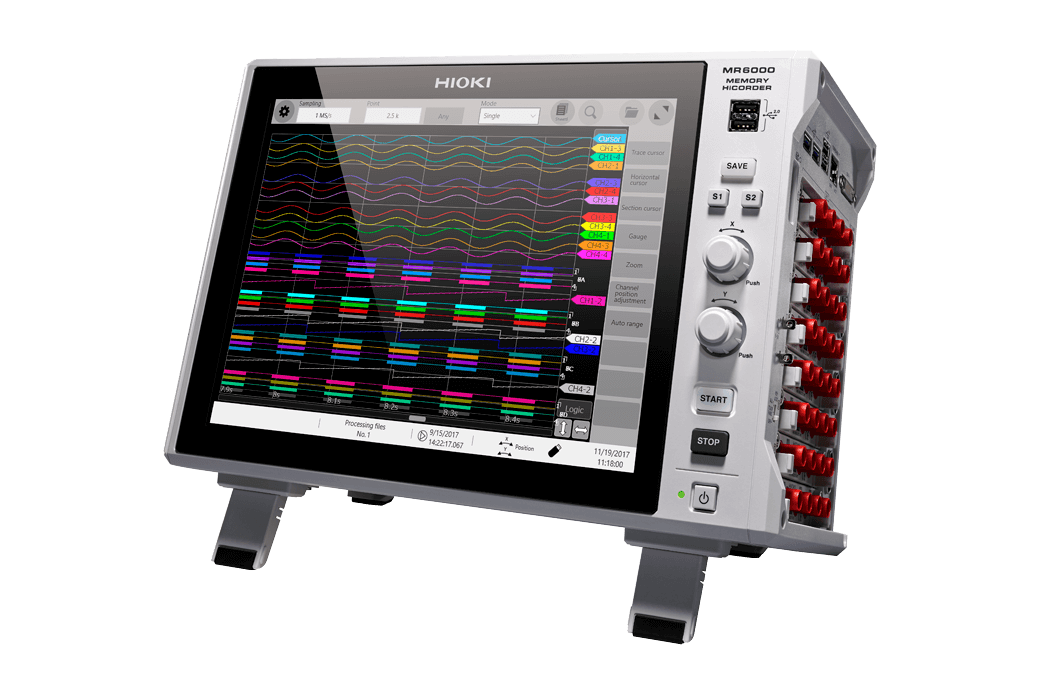
Data Recorder
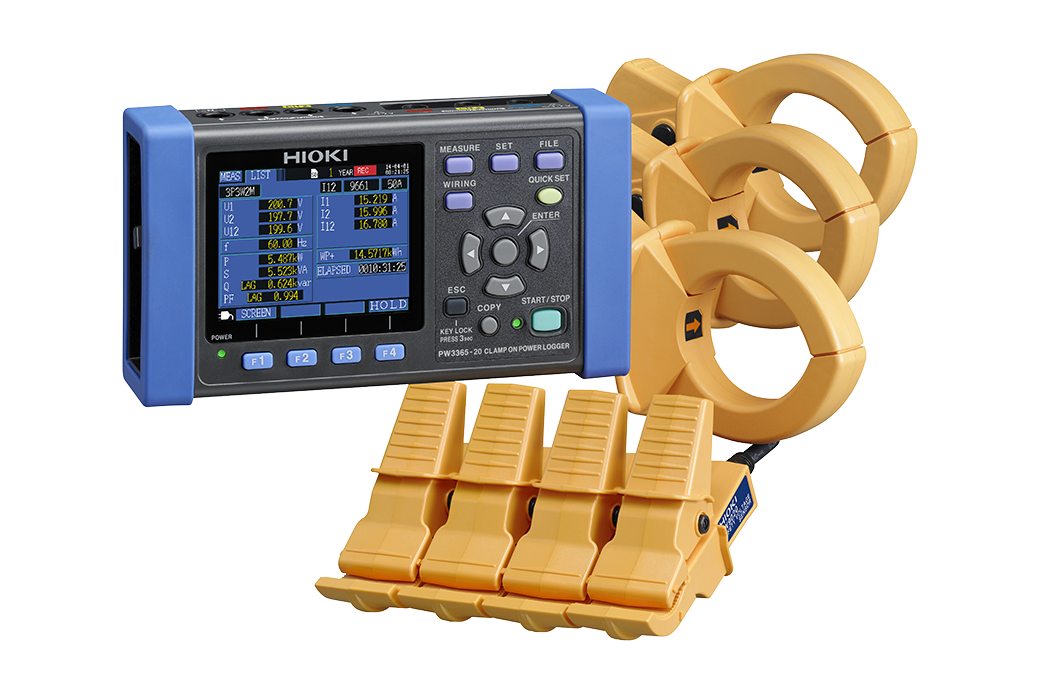
Data Logger
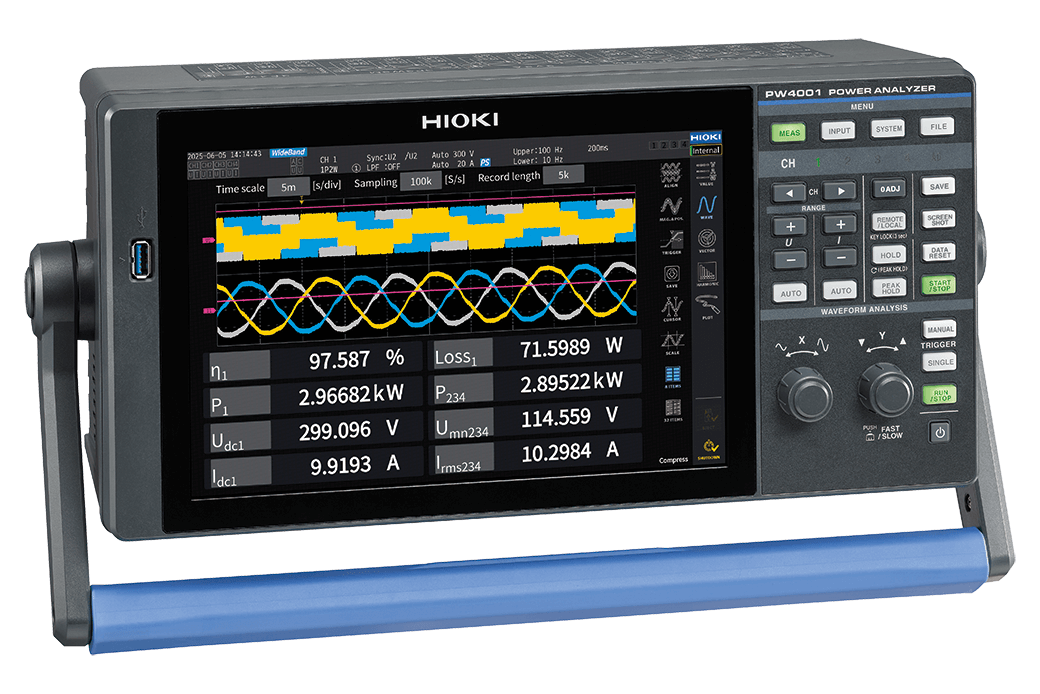
Power Analyzer
Talk To Us
Share your requirement and our pre-sales team will recommend the right, cost-effective solution.
Contact Us